Kitchen Cabinet Spraying vs Replacing: A Cost Comparison for London Homeowners
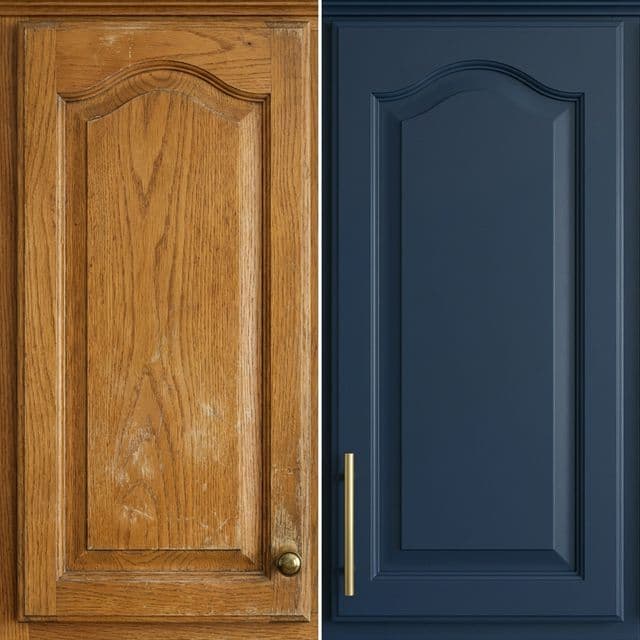
A side-by-side comparison of cabinet spraying vs replacing for London kitchens in 2026.
If your kitchen is looking tired but a full replacement feels financially out of reach, kitchen cabinet spraying in London could be exactly what you've been looking for. It's one of the fastest-growing home improvement services in the UK for good reason — it delivers a dramatic, factory-quality finish at a fraction of the cost of new units. Here's everything you need to know about spraying kitchen cabinets in London, including honest cost comparisons and how to decide if your kitchen is a good candidate.
The Cost Comparison: Spraying vs Replacing
Let's start with the number that matters most. A full kitchen replacement in London — including new units, worktops, handles, and installation — typically costs between £8,000 and £25,000, with mid-range fitted kitchens from national retailers sitting around £10,000–£15,000 once installation and extras are factored in. Premium kitchens from bespoke manufacturers can exceed £30,000.
Kitchen cabinet spraying, by contrast, typically costs between £800 and £2,000 for a standard London kitchen, depending on the number of doors and drawers, the complexity of the units, and whether worktops and appliances need masking. For most households, this represents a saving of £6,000–£20,000 — and the result, done professionally, is virtually indistinguishable from brand-new units.
That cost difference is why cabinet spraying has become one of the most requested services from London homeowners upgrading their properties before sale, after a kitchen renovation felt out of budget.
The Quality of the Finish
Professional cabinet spraying uses specialist airless spray equipment to apply a smooth, even coat of kitchen-grade paint. The result is a hard, durable finish with no brush marks, no roller texture — just a perfectly flat, almost factory-smooth surface.
The finish is significantly harder than standard emulsion or even oil-based paint applied by brush. Professional sprayers use two-pack lacquers or specialist cabinet paints formulated for high-traffic, high-humidity environments. These finishes resist chipping, moisture, grease, and everyday kitchen wear far better than brush-applied paint.
Done properly, a sprayed kitchen should last 8–12 years with normal use before any touch-up is needed — comparable to the lifespan of a mid-range new kitchen.
Colour Options: Limitless Choice
One of the great advantages of spraying is the sheer range of colour options. Any RAL colour, Farrow & Ball shade, or custom mix can be matched and sprayed. The most popular choices in London in 2026 include:
- Farrow & Ball Hague Blue and Railings (dark, dramatic navy and near-black)
- Sage and muted greens (hugely popular in both period and modern kitchens)
- Classic off-whites and warm creams (Old White, Bone, Clunch)
- Charcoal greys for a contemporary, handleless look
- Terracotta and warm earthy tones for 2026's biophilic trend
Changing colour is also possible at a future date — cabinets can be re-sprayed in a new colour, giving the kitchen yet another transformation without replacement.
How Long Does It Last?
Longevity depends on three factors: the quality of the paint used, the preparation work done before spraying, and how the kitchen is used. Proper preparation — degreasing all surfaces, sanding to key the surface, and applying the correct primer — is as important for cabinet spraying as it is for wall painting.
A professionally sprayed kitchen should comfortably last 8–12 years before any significant wear becomes apparent. Cabinet doors near the hob and areas around handles tend to show wear first. Many customers commission a touch-up at the 5–6 year mark rather than a full respray, which keeps costs minimal.
Which Kitchens Are Best Candidates?
Not every kitchen is suitable for spraying. The best candidates are:
- Solid wood doors — take paint beautifully and the finished result is exceptional
- MDF doors — also excellent, with a very smooth surface that holds paint well
- Thermofoil/vinyl wrap doors — can be sprayed but the film must be in good condition (no peeling edges); delaminating film cannot be fixed by spraying
Kitchens that are not good candidates include units with severely damaged or swollen carcasses, chipboard that has significant water damage, or doors where the substrate has delaminated. In these cases, replacement genuinely is the better option — no amount of spraying will fix structural damage to the cabinet boxes.
The Process: What to Expect
A professional kitchen cabinet spraying job typically follows this sequence:
- All doors and drawer fronts are removed and numbered to ensure they go back in the correct position
- All surfaces are thoroughly degreased — kitchen grease is the enemy of paint adhesion
- Surfaces are lightly sanded or abraded to provide a key for the primer
- A specialist primer coat is applied and allowed to cure
- Two topcoats of kitchen-grade paint are applied by airless spray
- Doors are allowed to fully cure (typically 24–48 hours) before refitting
- Handles are refitted and the kitchen is inspected for quality
The job typically takes 2–4 days for a standard London kitchen, with most of that time being drying and curing between coats.
Paez Brothers Kitchen Cabinet Spraying Service
At Paez Brothers, we offer a complete kitchen cabinet spraying service across London. Our team uses professional-grade spray equipment, kitchen-specific paints, and the same preparation standards we apply to all our work. We protect your worktops, flooring, and appliances fully during the process, and we don't consider the job done until you're completely satisfied with the finish.
We serve East Ham, Newham, and the wider London area, including Canary Wharf, Stratford, and surrounding boroughs.
Curious what your kitchen could look like? Request your free cabinet spraying quote from Paez Brothers and we'll assess your units, advise on colours, and give you a transparent, no-obligation price.
Looking for services in a specific area? See our guide to Canary Wharf decorators.