How to Choose the Right Paint for London's Climate
How to choose paint systems for London humidity, traffic and long-term maintenance.
London's weather is notoriously challenging — damp, grey, and unpredictable. Choosing the wrong paint for your home in this climate isn't just a cosmetic mistake; it can lead to peeling, bubbling, mould, and costly remedial work within just a few years. Whether you're painting interior walls, exterior render, or bathroom woodwork, the best paint for London's climate is one designed specifically to handle what our weather throws at it. Here's what you need to know.
Understanding London's Climate Challenges
London receives an average of 600mm of rain per year — spread fairly evenly across all months — with relatively high humidity year-round. Winters are damp rather than severely cold, and the frequent freeze-thaw cycles in November through February are particularly damaging to exterior surfaces. Summers bring occasional heat but more often dull, overcast conditions with persistent moisture.
For exterior painted surfaces, this means:
- Paint must be highly moisture-resistant to prevent water ingress
- It must be flexible enough to expand and contract with temperature changes without cracking
- It must allow the building to breathe, particularly on older properties with solid walls
- It must resist algae, lichen, and mould growth, which thrive in London's damp conditions
Moisture-Resistant Paints for Exterior Use
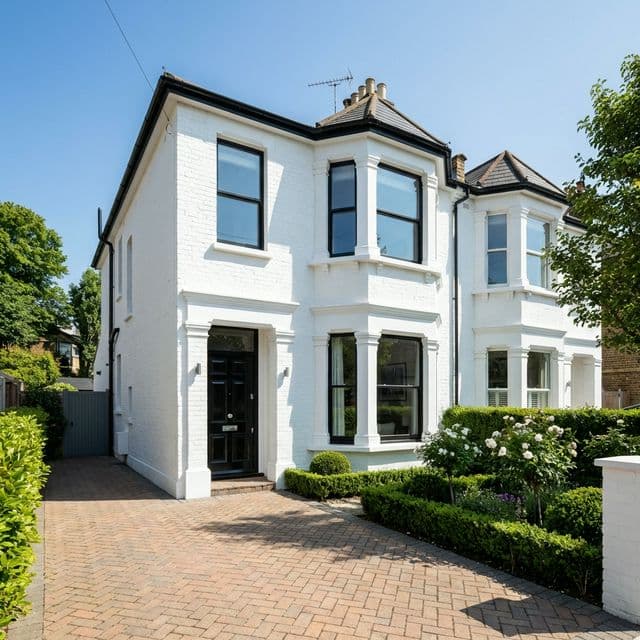
For exterior walls and render, breathable masonry paint is the correct choice for London's housing stock. Modern masonry paints are formulated to allow moisture vapour to pass through the paint film (breathability) while preventing liquid water from penetrating the surface.
This distinction is critical for London's older properties. Victorian and Edwardian houses were built with solid walls that need to absorb and release moisture naturally. Sealing them with non-breathable paint traps moisture inside the masonry, accelerating deterioration and potentially causing damp problems inside the house.
Good-quality masonry paints for London exteriors include:
- Dulux Weathershield — long-lasting, widely available, good track record in UK conditions
- Johnstone's Stormshield — trade favourite, excellent adhesion to old render and brick
- Sandtex Fine Textured Masonry — flexible formulation that handles freeze-thaw movement well
- Keim Mineral Paints — premium option, truly vapour-permeable, used extensively on listed buildings and conservation area properties
Anti-Mould Primers and Paints for Bathrooms
Inside London homes, bathrooms are the most demanding environment for paint. Steam, condensation, and inadequate ventilation — particularly common in older flats and houses — create ideal conditions for black mould to develop. Standard emulsion paint has no resistance to mould growth.
For bathrooms and shower rooms, always use:
- An anti-mould primer or mould-resistant primer coat before the topcoat
- A specialist bathroom emulsion or moisture-resistant paint as the topcoat — these contain fungicide to inhibit mould growth
- Eggshell or satinwood (rather than matt) on walls, as the harder finish wipes clean more easily
If black mould is already present, it must be treated properly before painting over it. Painting over mould does not kill it — within weeks, it will return through the new paint. Use a specialist mould killer, allow it to work, clean thoroughly, then prime with a stain-blocking primer before applying your topcoat.
Sheen Levels: Choosing Between Matt, Eggshell, and Satinwood
Paint sheen level affects both the practical performance and the visual quality of the finish. In London's older properties — where walls are rarely perfectly flat — sheen level makes a significant difference to how the surface looks.
- Matt emulsion — flat, no sheen, hides surface imperfections best. Best for ceilings and low-traffic bedrooms. Not washable; marks easily in hallways and kitchens
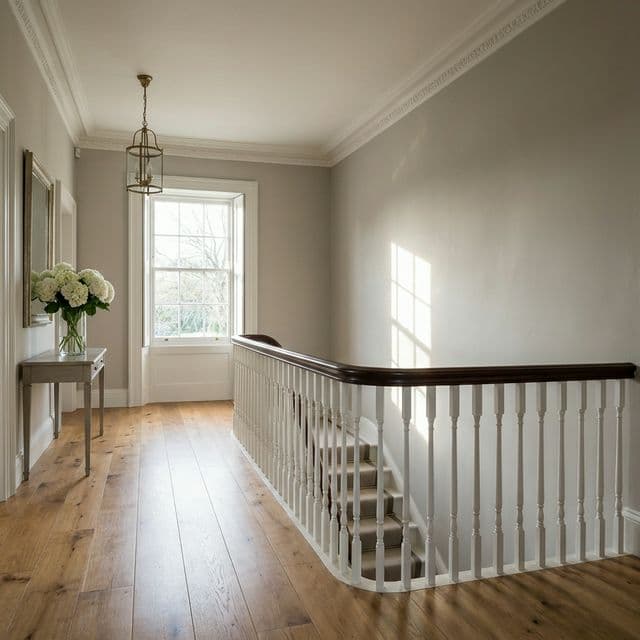
- Eggshell emulsion — subtle sheen, more durable, wipeable. Excellent choice for living rooms, hallways, and dining rooms. Hides imperfections almost as well as matt
- Satinwood — semi-gloss, hard finish, very washable. Used on woodwork — skirting boards, door frames, window frames. Standard choice for all interior woodwork
- Gloss — high shine, very durable, emphasises every surface imperfection. Best reserved for front doors, exterior woodwork, and period-detail radiators
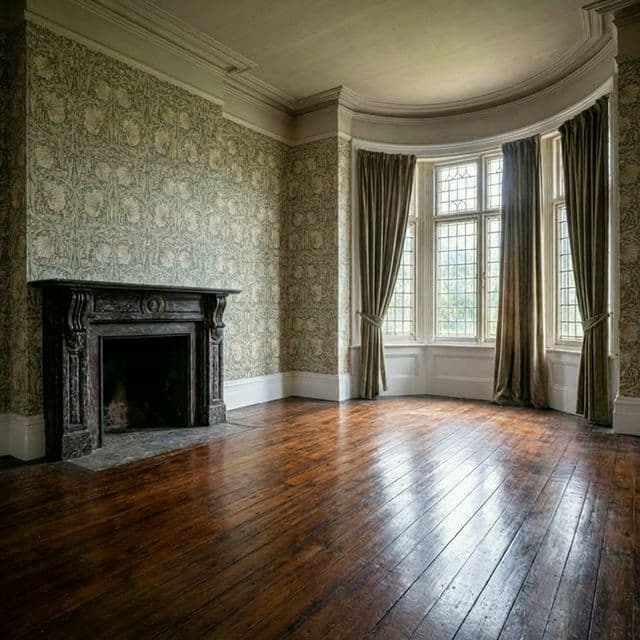
In London's Victorian properties with characterful but imperfect plaster walls, we generally recommend eggshell rather than satinwood on walls — the slight sheen adds life to the room while the lower reflectivity is more forgiving of the undulations typical in 150-year-old plaster.
Exterior Woodwork in London: What Paint Survives Longest
Front doors, sash window frames, fascias, and soffits take the full force of London's weather. The paint on exterior woodwork needs to be flexible (to cope with timber movement), moisture-resistant, and durable.
Modern water-based satinwood and eggshell formulations have improved dramatically and are now the professional choice for exterior woodwork in most situations. They dry faster, clean up more easily, and emit fewer VOCs than traditional oil-based gloss. However, some decorators still prefer oil-based gloss for front doors and areas that receive direct weathering, as the harder film offers better abrasion resistance.
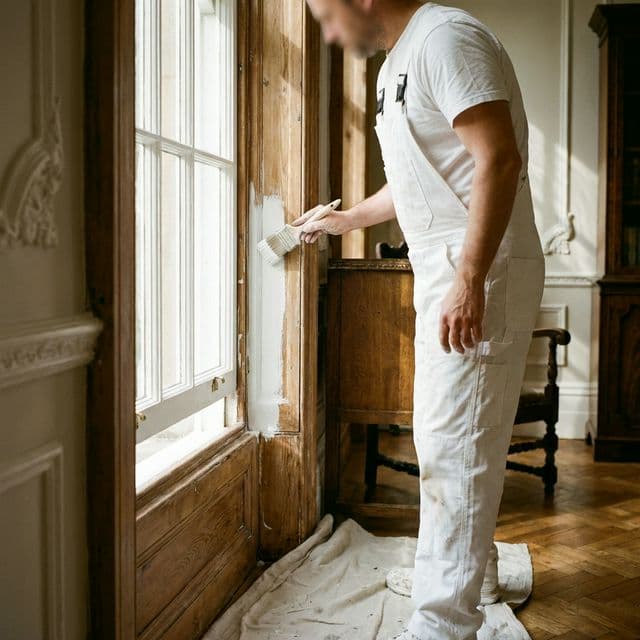
The single most important factor for exterior woodwork longevity is proper preparation: stripping back any failing paint to bare wood, filling cracks with flexible exterior filler, applying an exterior wood primer, undercoat, and then topcoat. A well-prepared, properly primed exterior door should hold its paint for 5–8 years in London conditions.
Brands That Perform Well in London Conditions
Based on years of professional experience working across East London, these are the brands we consistently trust:
- Dulux Trade — reliable, well-priced, consistent quality across the range
- Johnstone's Trade — excellent coverage, particularly for ceilings and high-traffic areas
- Little Greene — premium quality, excellent depth of colour, good performance
- Farrow & Ball — beautiful colours, improved formulation in recent years, but requires experienced application
- Keim — specialist mineral paints for heritage and conservation properties, exceptional longevity
Not sure which paint is right for your project? Get in touch with Paez Brothers — we'll advise on the best products for your specific situation and provide a free, no-obligation quote for the work.