Top 5 Interior Design Trends for London Homes in 2026
Discover the latest painting and decorating trends taking London by storm this year. From warm neutrals to bold feature walls, refresh your home with style.
Interior design in London moves quickly, but 2026 has brought a particularly coherent set of trends that are reshaping how homeowners across East London think about their interiors. Whether you're planning a single room refresh or a whole-house transformation, understanding the interior design trends of 2026 helps you make choices that feel current and that you'll love for years. Here's what's defining London interiors this year — and how paint transforms spaces far more affordably than any other change you can make.
Earthy Tones: The Palette of 2026
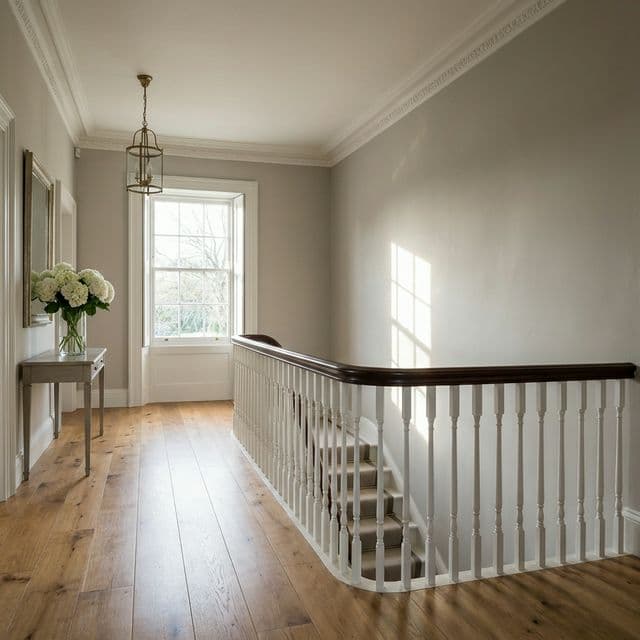
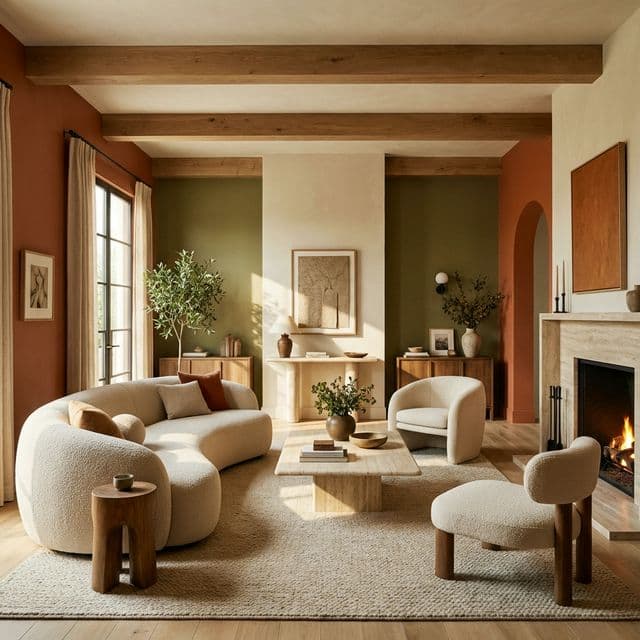
After several years dominated by cool, Nordic-influenced neutrals — greys, cool whites, and pale blues — the interior design world has pivoted decisively toward earthy, warm tones in 2026. Terracotta, warm ochre, clay, burnt sienna, and dusty rose are all appearing in London homes that previously would have defaulted to Elephant's Breath or Pebble Shore.
This shift reflects a broader cultural movement toward warmth, comfort, and connection to the natural world. Earthy tones feel nourishing and grounding in a way that cool neutrals don't — particularly relevant in a city where many people spend long hours commuting and working under artificial light.
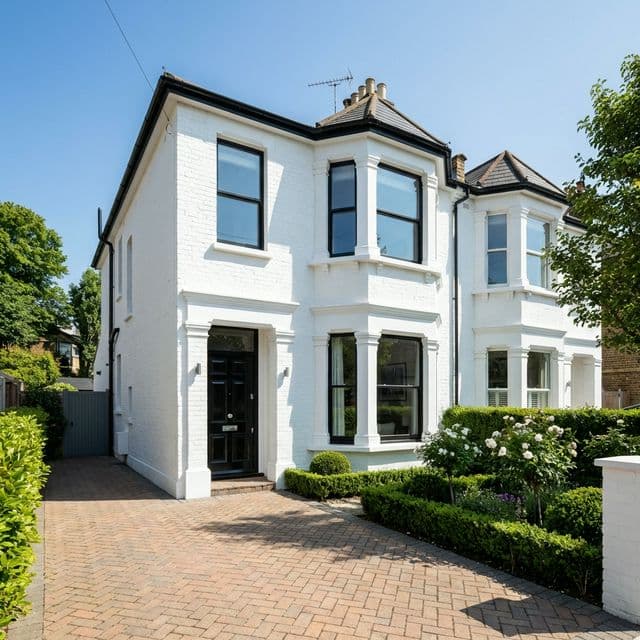
For East London's Victorian and Edwardian housing stock, earthy tones are a natural fit. The warm yellow of London stock brick, the rich tones of original floorboards, and the character of period fireplaces all resonate beautifully with ochre walls, terracotta accents, and clay-coloured woodwork.
Sage Green: Still Going Strong
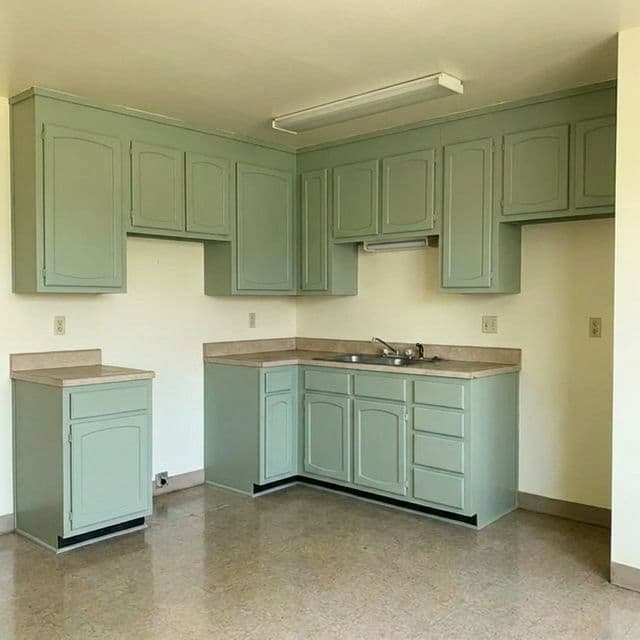
Sage green entered the mainstream a few years ago and has shown remarkable staying power in 2026. Unlike many trendy colours that feel dated within a year or two, sage green occupies a genuinely timeless middle ground — warm enough to feel cosy, muted enough to feel sophisticated.
In kitchens, sage green cabinetry (whether sprayed in situ or purpose-built) has become almost ubiquitous. In living rooms, sage green walls with warm brass fittings and natural linen create the kind of collected, considered look that feels effortlessly stylish. In bathrooms, sage green paired with white tile and natural wood accessories is one of the most popular combinations we're seeing across East London.
Deep Navy: Confidence and Drama
Navy — true, deep, confident navy rather than the wishy-washy "denim" of years past — is having a major moment in 2026 London interiors. Deep navy on a feature wall, in a study, or as a kitchen cabinet colour creates drama and depth that makes other elements of a room sing against it.
The key to making navy work is confidence. It's a commitment colour — half-measures produce muddy, uncertain results. Done properly, navy creates rooms that feel genuinely luxurious. Paired with warm metals (brass, antique gold), natural textures (linen, rattan, timber), and warm lighting, navy walls are one of the most talked-about design choices of the year.
Limewash Effect: Textured, Living Walls
One of the more technical interior paint trends for 2026 is the limewash or Venetian plaster effect — a painted finish that mimics the depth, variation, and texture of traditional lime-washed plaster. Rather than the flat, uniform surface of standard emulsion, limewash effect paint creates a surface that changes character as light moves across it throughout the day.
Specialist limewash paints are applied in multiple thin layers with a technique that intentionally creates tonal variation — darker in recesses, lighter on raised surfaces. The result is walls that have genuine depth and presence, reminiscent of the aged plaster found in Italian and Portuguese interiors.
This is one of the more skill-dependent finishes in contemporary decoration. The technique matters enormously — done badly, it looks like an accident; done well, it's genuinely spectacular. It's worth commissioning an experienced decorator rather than attempting this as a DIY project.
Colour Drenching: All-Over Immersion
Colour drenching — painting walls, ceiling, woodwork, and even furniture in the same or very closely related colour — is one of the most discussed interior design trends in London for 2026. Rather than the traditional ceiling-white-walls-colour-woodwork-white formula, colour drenching wraps the entire room in a single tone.
The psychological effect is striking: rooms feel cocooning, deliberate, and surprisingly spacious (counter-intuitive but true — the elimination of visual interruption from different-coloured elements makes the eye read the room as a single unified space).
Colour drenching works best with mid-tones — neither very dark nor very light. Sage green, terracotta, warm taupe, and dusty pink are all popular choices for drenching. Very dark colours can make drenched rooms feel cave-like rather than cocooning; very light colours can lose the effect entirely.
Biophilic Design: Bringing Nature Indoors
Biophilic design — interior design that creates connection to the natural world — has moved from architectural trend to mainstream expectation in 2026. For interiors, this means natural materials (timber, stone, linen, rattan), plentiful plants, natural light, and colour palettes inspired by the landscape.
In terms of paint colour, biophilic design drives choices toward botanical greens, earth tones, sky blues, and the warm neutrals of sand, clay, and timber. Feature walls with botanical wallpaper (hand-illustrated florals, overscale leaf prints, garden scenes) are a popular expression of this trend in London flats where outdoor space is limited.
Paint Transforms a Space More Affordably Than Anything Else
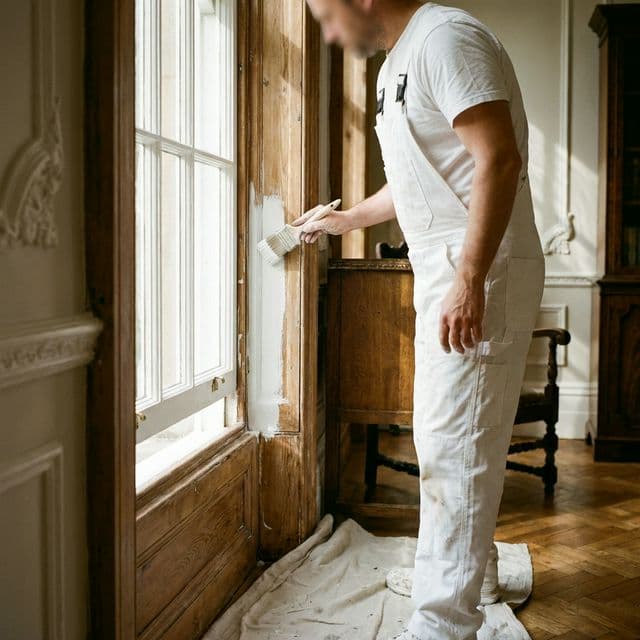
It bears saying explicitly: paint is the single most cost-effective design intervention available to a homeowner. New furniture, a kitchen renovation, a bathroom remodel — all are dramatically more expensive and disruptive than repainting. Yet a well-chosen colour change, professionally applied, transforms the feel of a space as profoundly as any of those alternatives.
A living room that felt dull and beige becomes warm and characterful with a terracotta feature wall and fresh white on the other three surfaces. A bedroom that felt cold and sterile becomes a genuine retreat with deep navy on the headboard wall and warm-toned woodwork. These changes cost hundreds, not thousands, and take days, not weeks.
Ready to bring the best of 2026's interior trends into your East London home? Get a free quote from Paez Brothers — we'll help you choose colours that work for your space and deliver a finish that does them justice.